A selection of Steven Levingston’s reporting on book news.
How powerful is a Jon Stewart book plug? Ask his wife.
(WP 8/6/2016)
Oh, to be a writer married to Jon Stewart.
Writers unattached to Jon Stewart dream of appearing on “The Daily Show.” A short segment can turn anonymity into immortality and bottom-of-the-list Amazon sales into a bolt to the top.
Before departing this week, Stewart gave one final plug to a book close to his heart. At the close of his show on Tuesday, he turned to the camera and said: “One of the great pleasures of this show is having a pulpit to introduce an audience to books I care about – books I love. I’m going to miss that. And so before I go, I’m going to do it one more time. I have found this book by this incredible young author. Her name is my wife.”
Harper Lee objects to new book about her by Marja Mills
(WP 7/15/2014)
Call in Atticus Finch.
Only the scrupulously fair lawyer at the center of Harper Lee’s Pulitzer Prize-winning novel, “To Kill a Mockingbird,” could get at the truth in the latest conflict over the reclusive author’s privacy.
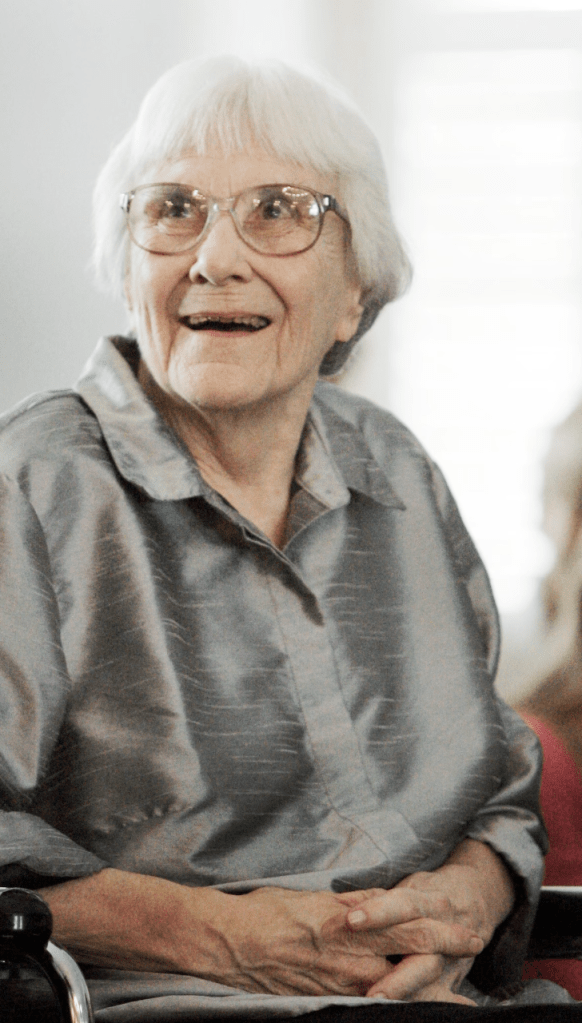
The clash erupted again with Tuesday’s release of “The Mockingbird Next Door: Life with Harper Lee,” by former Chicago Tribune reporter Marja Mills. To gather material for her intimate portrait, Mills rented a house in Monroeville, Ala., next door to the 88-year-old author and her older sister, Alice, and gradually got to know them. In the book, Mills claims she had “the trust, support, and encouragement” of both sisters.
Jane Goodall’s ‘Seeds of Hope’ reissued a year after being pulled from shelves
(WP 4/2/2014)
Primatologist Jane Goodall acknowledged she was “not methodical enough” in her note-taking for the first edition of her book “Seeds of Hope: Wisdom and Wonder from the World of Plants,” which was reissued on Tuesday a year after the publisher pulled it from the shelves.
Grand Central Publishing, an imprint of Hachette Book Group, decided to publish the new version after evidence emerged last year that numerous passages in the book had been used from other published sources without attribution.
Jane Goodall’s ‘Seeds of Hope’ contains borrowed passages without attribution
(WP 3/19/2013)
Jane Goodall, the primatologist celebrated for her meticulous studies of chimps in the wild, is releasing a book next month on the plant world that contains at least a dozen passages borrowed without attribution, or footnotes, from a variety of Web sites.
Goodall wrote “Seeds of Hope” with Gail Hudson, who has contributed to two other books by the 78-year-old naturalist. Hudson is described on literati.net as a newspaper and magazine editor, freelance writer, former spirituality editor for Amazon.com and longtime devotee of organic foods and holistic living.
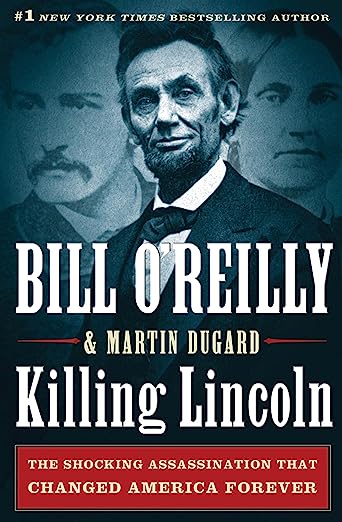
For a history of the assassination — an “unsanitized and uncompromising . . . no spin American story,” as O’Reilly and coauthor Martin Dugard put it, “Killing Lincoln” suffers from factual errors and a lack of documentation, according to a study conducted by Rae Emerson, the deputy superintendent of Ford’s Theatre National Historic Site, which is a unit of the National Park Service. Emerson’s review recommended that the book not be sold at Ford Theatre’s store.
Masha Gessen was in Moscow while her agent Elyse Cheney was at the fair selling foreign rights to Gessen’s forthcoming book, “The Man Without a Face: The Unlikely Rise of Vladimir Putin.”
Publishers Weekly reports that Gessen’s publisher, Riverhead, said the book, which is scheduled for release in March, contains “explosive” details about Putin, the Russian prime minister. “And that,” PW adds, “could be a hazard for Gessen, especially in a country that is notoriously dangerous for journalists.”
JFK made history with a televised news conference. Now Biden faces reporters, too.
(WP 3/25/2021)
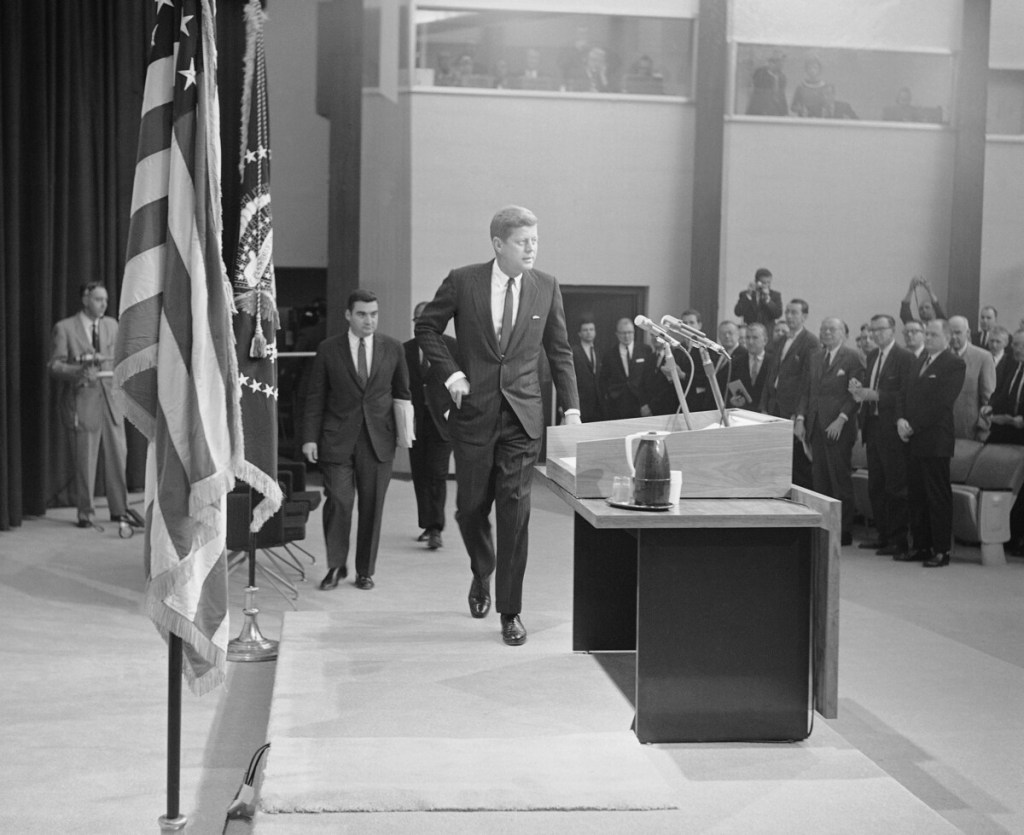
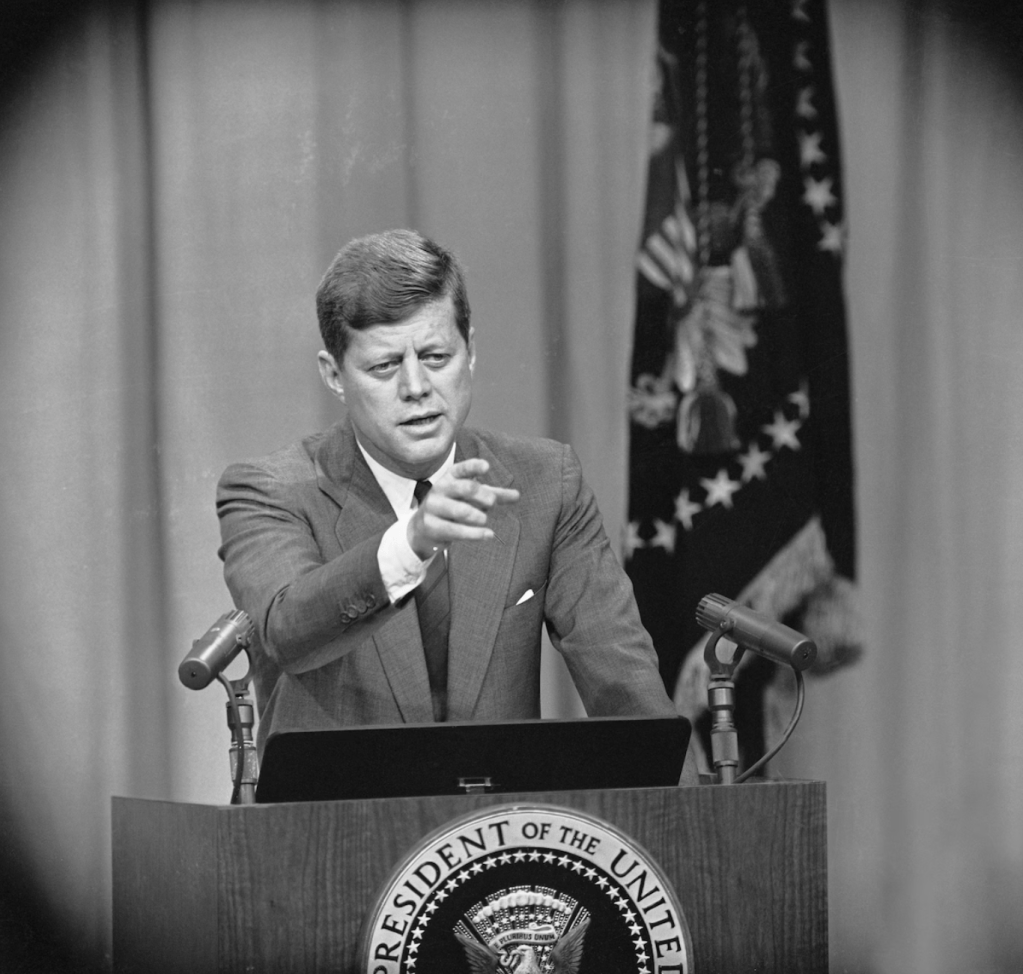
It’s no wonder that President Biden has waited 64 days to subject himself to his first news conference. Land mines await. By holding off longer than any other president in 100 years to engage in this time-honored ritual, Biden has invited hard scrutiny over his ability to flourish in an unscripted press interrogation. Critics will be lying in wait to attack him for any stumble. Fact-checkers will be nipping at his heels to correct any mistakes. And it will all take place in the blaze of live television.
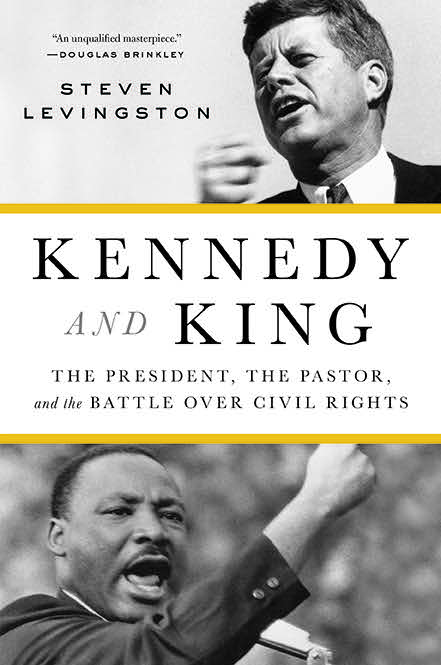
Like Trump, JFK faced riots. Here’s what he did to stop the violence in Birmingham in 1963.
(WP 5/30/2020)
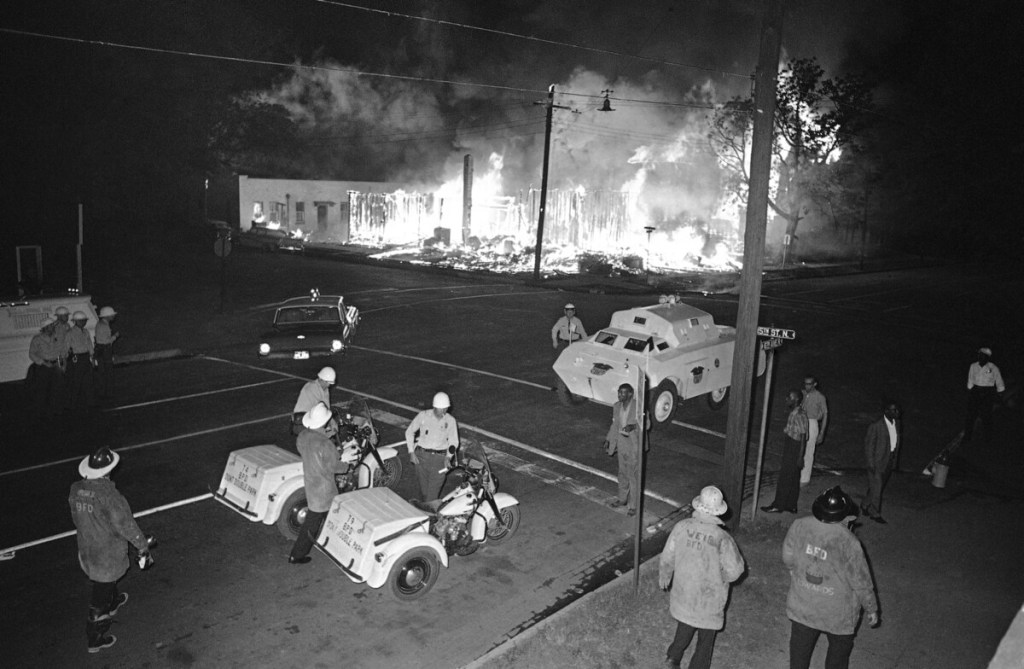
The violence erupted in Birmingham, Ala., on May 11, 1963, just before Mother’s Day. Just a day earlier, the city’s business leaders had reached an agreement with its black residents, led by the Rev. Martin Luther King Jr. and the Rev. Fred Shuttlesworth, on wide-ranging desegregation and the hiring of African Americans for jobs long denied them.
At a news conference, Shuttlesworth, a longtime Alabama activist, praised Birmingham as “an example of progressive racial relations” and was pleased to see “for all mankind a dawn of a new day, a promise for all men, a day of opportunity, and a new sense of freedom for all America.” The agreement, which came after weeks of African American demonstrations in the city, enraged the Ku Klux Klan and its police protectors, overseen by Birmingham’s racist public safety commissioner, Eugene “Bull” Connor.
Like Vladimir and Estragon, we wait for our Godot. And wait.
(WP 4/3/2020)
Samuel Beckett’s masterpiece is a parable for our days in coronavirus limbo.
We have no choice but to wait it out. From our houses, our apartments, our trailers, our cars, our cabins, our country escapes. It’s unreal but real, absurd but actual. We don’t know how long we have to wait, we don’t know exactly what we’re waiting for, we aren’t sure what the end will look like when it comes, but we’re confident we’ll know when the waiting is over.
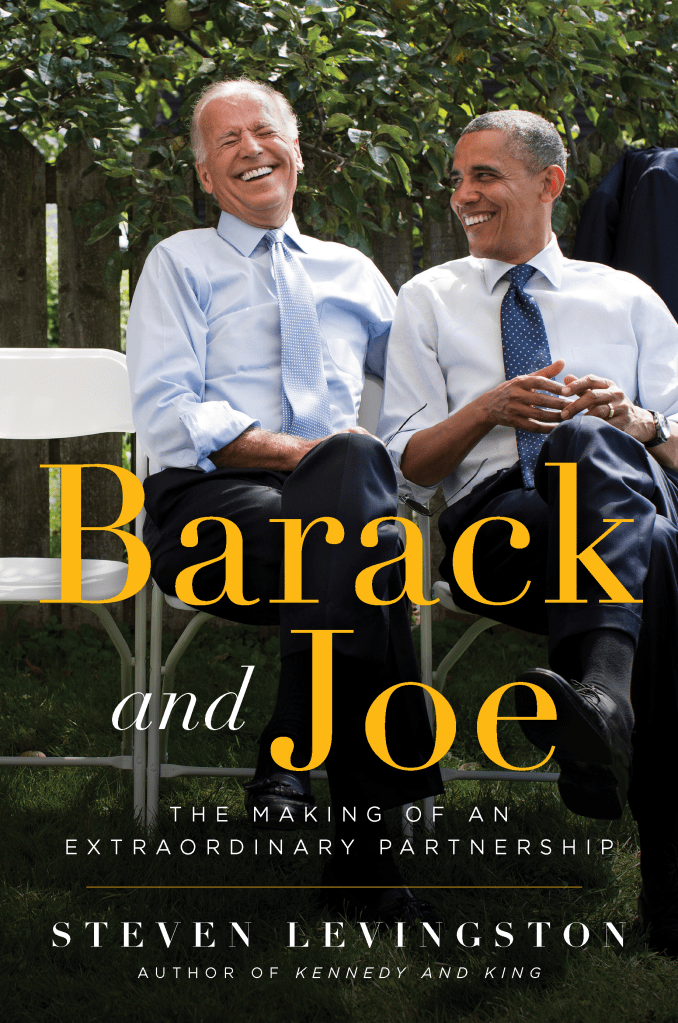
The Poignant But Complicated Friendship of Joe Biden and Barack Obama
(WP Magazine 7/30/2019)
Biden is running for president partly based on their relationship. What was it really like?
The tweet was full of longing. On National Best Friends Day in June, Joe Biden posted a Barack and Joe friendship bracelet on his 2020 campaign Twitter account, with the greeting: “Happy #BestFriendsDay to my friend, @BarackObama.” But Obama? He was silent. No reply. Nothing.
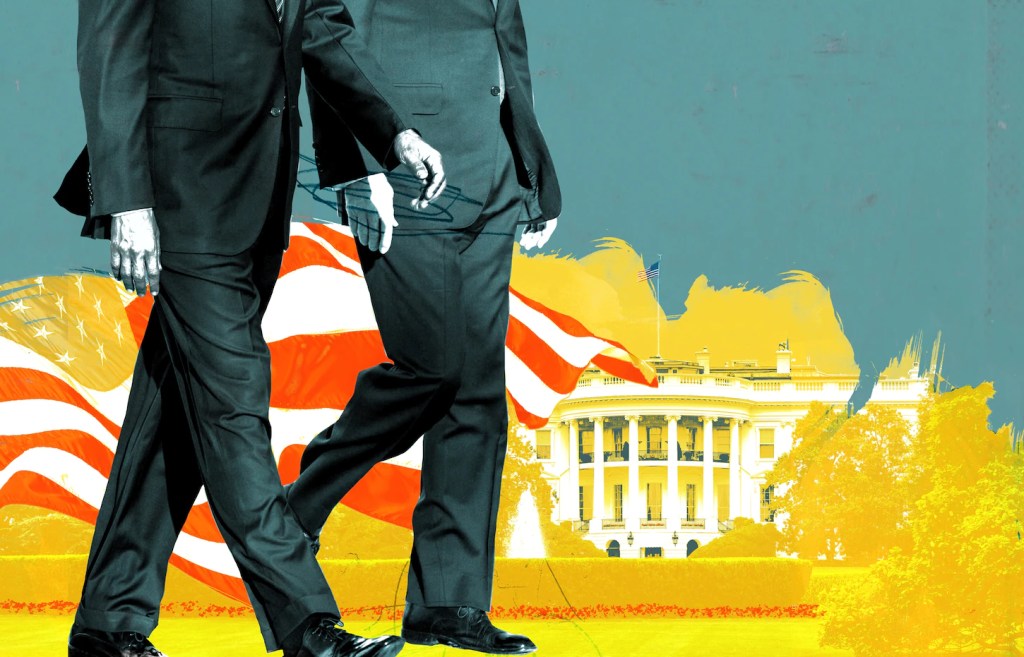
Something was off-kilter in this relationship. Where was the mutual affection, the joyous camaraderie? Anyone who watched these men through two terms in the White House knows their admiration for each other was effusive. We all saw the images: the president and the vice president crying, laughing, hugging, whispering, backslapping, eating ice cream together and strolling contemplatively on the White House grounds.
Children have changed America before, braving fire hoses and police dogs for civil rights
(WP 3/23/2018)
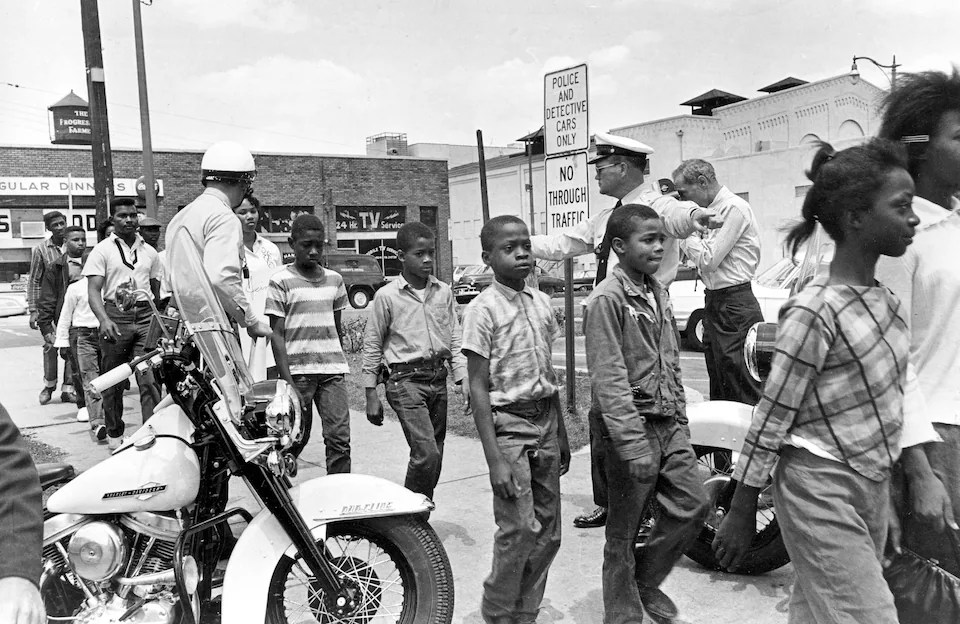
The school gates were locked. But that didn’t keep hundreds of students from crawling up and over the fences, defying their parents, teachers and school principals to march against segregation.
It was May 1963 in Alabama, and Birmingham’s brutal public safety commissioner, Eugene “Bull” Connor, was waiting. His police moved in, herding the children into squad cars, paddy wagons and school buses for the trip to jail.
Before Trump vs. the NFL, there was Jackie Robinson vs. JFK
(WP 9/24/2017)
President Trump ignited a firestorm this weekend by demanding NFL owners fire players who kneel during the national anthem, setting off a wave of protests by players, coaches and even owners that riveted the country Sunday. But long before Colin Kaepernick and other NFL players drew Trump’s ire, professional athletes protested racial oppression in the United States.
One African American sports icon even badgered a president publicly. Jackie Robinson, the hero who integrated Major League Baseball in 1947, spoke out loudly for civil rights and challenged President John F. Kennedy to stop dithering on black equality.
Hillary’s consolation prize: a No. 1 bestselling book
(WP 9/15/2017)
Hillary Clinton wanted more than anything to be the leader of the free world. Now all she’s got is a crummy consolation prize: a No. 1 best-selling book. For days before its Tuesday release, her memoir of the 2016 presidential campaign, “What Happened,” was first in the rankings among all books on Amazon (whose founder, Jeff Bezos, owns The Washington Post). And it looks headed to rule over other bestseller lists, too. But if Clinton had her druthers, she most certainly would not be sitting at the top of any bestseller list right now: She’d be seated in the Oval Office behind the ornate Resolute desk.
Clinton’s miserable fate — bestsellerdom instead of the presidency — raises a curious question for the rest of the toiling, underappreciated and always envious literary community. I put this question — perhaps a preposterous one, but hey, we live in preposterous times — to a sampling of writers via email: Would you rather be president of the United States or a No. 1 best-selling author?
Like Trump, JFK was tested by white supremacists. Here’s what he finally did about it.
(WP 8/22/2017)
Since white supremacists swarmed into Charlottesville this month, leaving three dead in their wake, President Trump has repeatedly resisted calls to assume the moral leadership Americans expect from the White House. And he has been condemned for it by politicians across the spectrum, religious leaders of all denominations and corporate executives across the country.
More than 50 years ago, white supremacists tested the moral mettle of another president. No sooner had John F. Kennedy entered office than he confronted what Martin Luther King Jr. called “America’s chief moral dilemma”: the raging bigotry, hatred and segregation of the South.
Masters of their medium: JFK on TV, Trump on Twitter
(WP Magazine 5/18/2017)
Nearly a year before the 1960 presidential election, Sen. John F. Kennedy displayed a startling sense of prophesy about the influence of television in politics.
Writing in the Nov. 14, 1959, issue of TV Guide more than a month before he announced his candidacy, Kennedy seemed to foresee a crucial moment in the battle for the White House. As though visualizing Richard Nixon’s doomed visage — dark and sweaty — and his own youthful charm on national television during the presidential debates, the senator declared: “Many new political reputations have been made on TV — and many old ones have been broken.”
On the Eiffel Tower’s birthday, a look back at the hopeful, uneasy Paris of 125 years ago
(WP 4/11/2014)
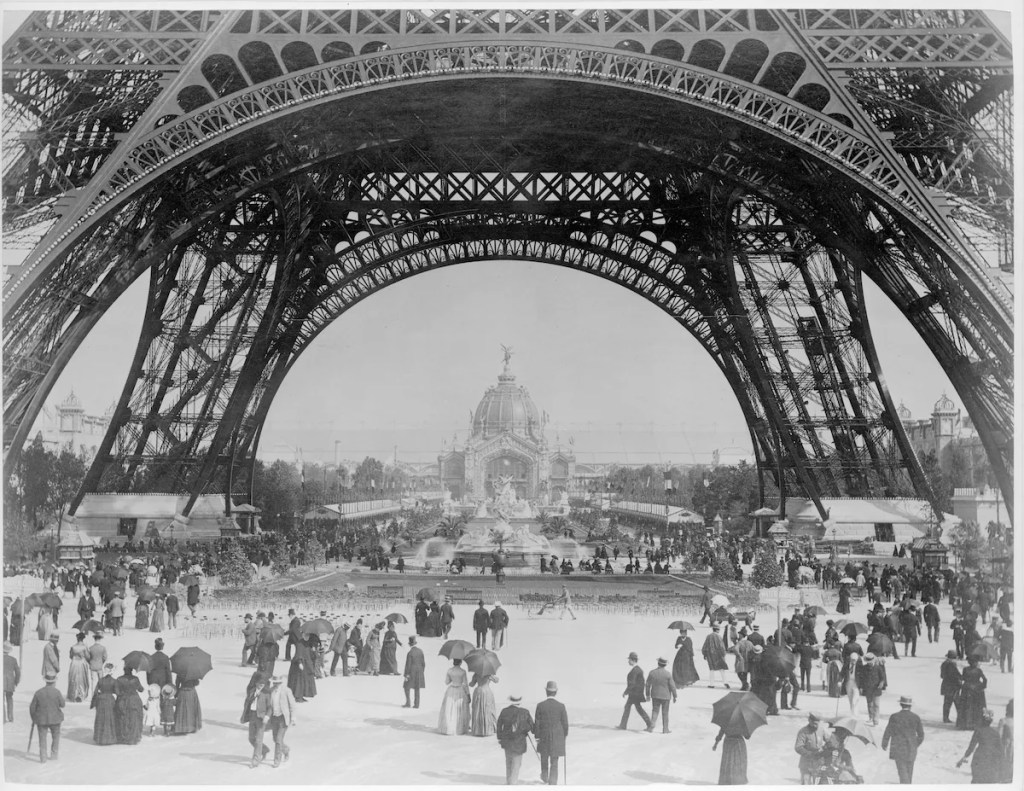
Pop the bubbly. It’s time to toast the 125th birthday of the Eiffel Tower, that iron, lattice-work marvel that scholar Roger Shattuck called “the first monument of modernism.” Shooting about 1,000 feet into the sky from the Champ de Mars, the tower stands as a totem of modern Paris, its beauty, romance and joie de vivre.
The era that gave birth to the tower, the Belle Époque, roughly from 1871 to the start of World War I in 1914, is typically portrayed as a period of champagne bubbles, men in top hats and monocles, and carefree strolls along the boulevards. But along with the gaiety came darkness: Doubt, fear and violence also stalked Parisians. The Belle Époque was largely a creation of nostalgia: Those who survived the war looked longingly over their shoulders and remembered a golden era before the carnage. As historian Barbara Tuchman observed, “It was not a time exclusively of confidence, innocence, comfort, stability, security and peace.”
Edward Klein defends his Obama biography, ‘The Amateur’
(WP 6/19/2012)
NEW YORK — Edward Klein was in his 11th year as editor of the New York Times Magazine when on two consecutive weeks in July 1987 the prestigious Sunday supplement was cited in editors’ notes for lapses in editorial judgment. During Klein’s tenure the magazine had some notable successes, such as winning a Pulitzer Prize, but it also suffered other high-profile missteps, including publication of a fabricated tale about Khmer Rouge guerrillas in Cambodia.
By October 1987, Klein had departed from the newspaper, and thus began his journey from influential editor to conservative author of bestsellers about powerful figures: the Kennedys, Katie Couric, Hillary Rodham Clinton and, most recently, President Obama. The evolution of his career has raised eyebrows among liberals and conservatives, and the highly personal portraits he crafts have prompted questions about sourcing, accuracy and intent.









 Steven Levingston