A selection of Steven Levingston’s reporting on book news.
How powerful is a Jon Stewart book plug? Ask his wife.
(WP 8/6/2016)
Oh, to be a writer married to Jon Stewart.
Writers unattached to Jon Stewart dream of appearing on “The Daily Show.” A short segment can turn anonymity into immortality and bottom-of-the-list Amazon sales into a bolt to the top.
Before departing this week, Stewart gave one final plug to a book close to his heart. At the close of his show on Tuesday, he turned to the camera and said: “One of the great pleasures of this show is having a pulpit to introduce an audience to books I care about – books I love. I’m going to miss that. And so before I go, I’m going to do it one more time. I have found this book by this incredible young author. Her name is my wife.”
Harper Lee objects to new book about her by Marja Mills
(WP 7/15/2014)
Call in Atticus Finch.
Only the scrupulously fair lawyer at the center of Harper Lee’s Pulitzer Prize-winning novel, “To Kill a Mockingbird,” could get at the truth in the latest conflict over the reclusive author’s privacy.
The clash erupted again with Tuesday’s release of “The Mockingbird Next Door: Life with Harper Lee,” by former Chicago Tribune reporter Marja Mills. To gather material for her intimate portrait, Mills rented a house in Monroeville, Ala., next door to the 88-year-old author and her older sister, Alice, and gradually got to know them. In the book, Mills claims she had “the trust, support, and encouragement” of both sisters.
Jane Goodall’s ‘Seeds of Hope’ reissued a year after being pulled from shelves
(WP 4/2/2014)
Primatologist Jane Goodall acknowledged she was “not methodical enough” in her note-taking for the first edition of her book “Seeds of Hope: Wisdom and Wonder from the World of Plants,” which was reissued on Tuesday a year after the publisher pulled it from the shelves.
Grand Central Publishing, an imprint of Hachette Book Group, decided to publish the new version after evidence emerged last year that numerous passages in the book had been used from other published sources without attribution.
Jane Goodall’s ‘Seeds of Hope’ contains borrowed passages without attribution
(WP 3/19/2013)
Jane Goodall, the primatologist celebrated for her meticulous studies of chimps in the wild, is releasing a book next month on the plant world that contains at least a dozen passages borrowed without attribution, or footnotes, from a variety of Web sites.
Goodall wrote “Seeds of Hope” with Gail Hudson, who has contributed to two other books by the 78-year-old naturalist. Hudson is described on literati.net as a newspaper and magazine editor, freelance writer, former spirituality editor for Amazon.com and longtime devotee of organic foods and holistic living.
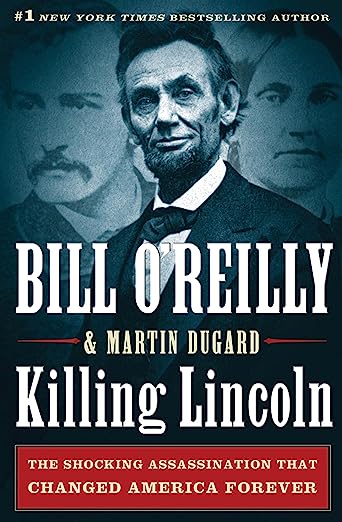
For a history of the assassination — an “unsanitized and uncompromising . . . no spin American story,” as O’Reilly and coauthor Martin Dugard put it, “Killing Lincoln” suffers from factual errors and a lack of documentation, according to a study conducted by Rae Emerson, the deputy superintendent of Ford’s Theatre National Historic Site, which is a unit of the National Park Service. Emerson’s review recommended that the book not be sold at Ford Theatre’s store.
Masha Gessen was in Moscow while her agent Elyse Cheney was at the fair selling foreign rights to Gessen’s forthcoming book, “The Man Without a Face: The Unlikely Rise of Vladimir Putin.”
Publishers Weekly reports that Gessen’s publisher, Riverhead, said the book, which is scheduled for release in March, contains “explosive” details about Putin, the Russian prime minister. “And that,” PW adds, “could be a hazard for Gessen, especially in a country that is notoriously dangerous for journalists.”
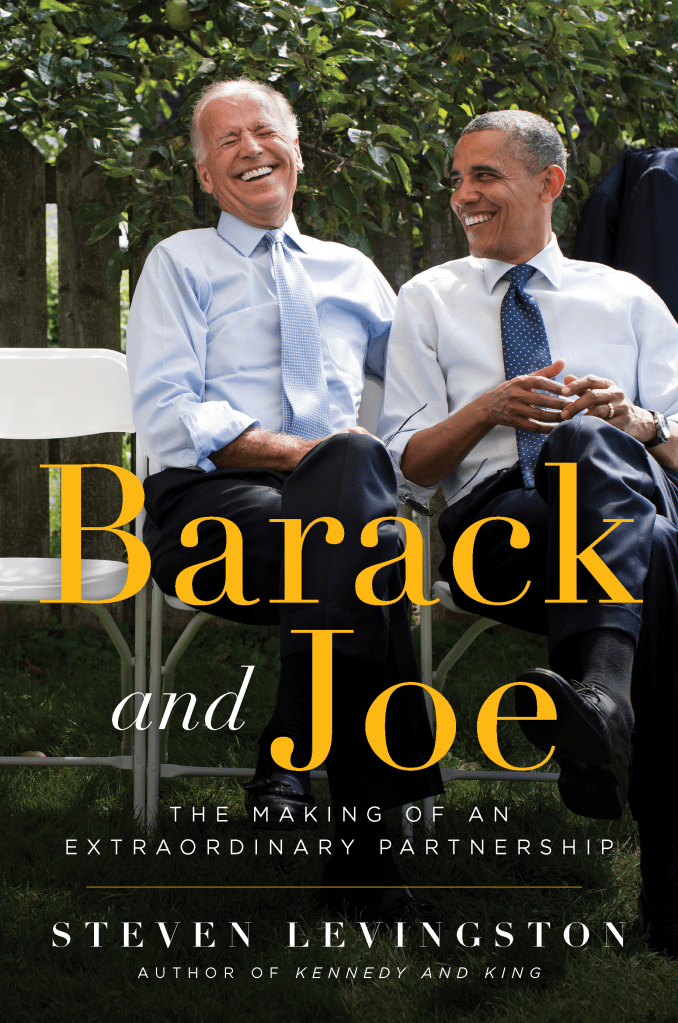
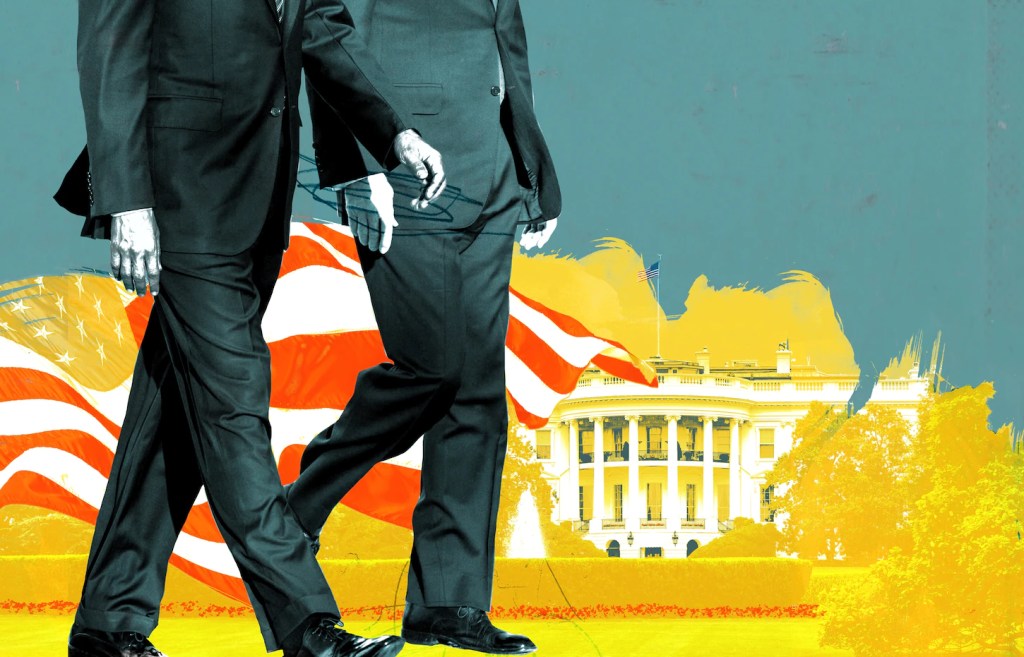
Barack and Joe: The Making of an Extraordinary Partnership
A Washington Post 2019 Notable Selection
A vivid and inspiring account of the “bromance” between Barack Obama and Joe Biden.
The extraordinary partnership of Barack Obama and Joe Biden is unique in American history. The two men, their characters and styles sharply contrasting, formed a dynamic working relationship that evolved into a profound friendship. Their affinity was not predestined. Obama and Biden began wary of each other: Obama an impatient freshman disdainful of the Senate’s plodding ways; Biden a veteran of the chamber and proud of its traditions.
Gradually they came to respect each other’s values and strengths and rode into the White House together in 2008. Side-by-side through two tension-filled terms, they shared the day-to-day joys and struggles of leading the most powerful nation on earth. They accommodated each other’s quirks: Biden’s famous miscues kept coming, and Obama overlooked them knowing they were insignificant except as media fodder. With his expertise in foreign affairs and legislative matters, Biden took on an unprecedented role as chief adviser to Obama, reshaping the vice presidency. Together Obama and Biden guided Americans through a range of historic moments: a devastating economic crisis, racial confrontations, war in Afghanistan, and the dawn of same-sex marriage nationwide. They supported each other through highs and lows: Obama provided a welcome shoulder during the illness and death of Biden’s son Beau.
“Levingston, a gifted diviner of our political ethos and an eloquent chronicler of our national tendencies, delves purposefully into the relationship between Obama and Biden, showing how it was the magical melding of two forceful personalities who were quite dissimilar in many ways, but no less capable of turning their differences into national benefit. . . . This buddy film come-to-life is a magnificent story told with poetic verve by a writer who sets his study up like a thriller and crafts it with the pace and surprise of a first-rate novel.”―Michael Eric Dyson, from the Foreword
Levingston “quotes from both men’s Twitter and Instagram accounts; late-night hosts, cable news gasbags and internet meme-makers are all frequently cited. And he attempts to tease out why those who were ‘observing the president and vice president from a distance’ were so invested in Obama and Biden’s relationship. Part of it, Levingston theorizes, was that ‘America had a weakness for buddy teams. Felix and Oscar. Bert and Ernie. Buzz and Woody.’ More interestingly, he argues that Obama and Biden’s partnership, ‘just by its existence and daily workings . . . served as a badge of racial harmony.'” ―New York Times
“Levingston weaves a lively narrative about an unlikely alliance between the taciturn Obama and gregarious, voluble Biden.” ―Kirkus Reviews
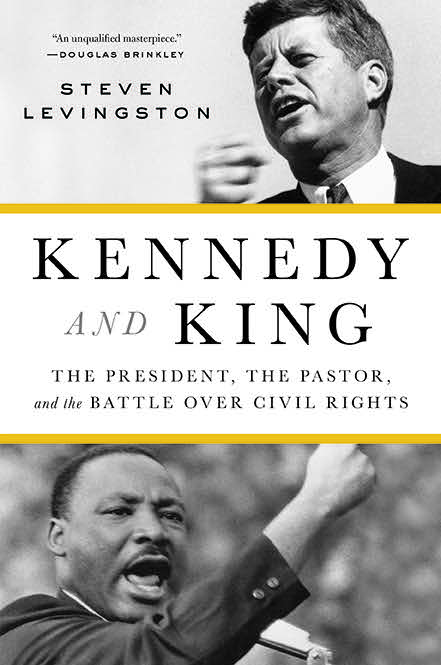
Kennedy and King: The President, the Pastor and the Battle Over Civil Rights
A New York Times Editors’ Choice Pick
“Steven Levingston’s Kennedy and King is an unqualified masterpiece of historical narrative. Every page sparkles with literary verve, eloquent storytelling, and keen analytic judgment. It might be the best dual biography I’ve ever read. A landmark achievement which elevates civil rights history into a high art form.” ― Douglas Brinkley, New York Times bestselling author of Rosa Parks and The Reagan Diaries
Kennedy and King traces the emergence of two of the twentieth century’s greatest leaders, their powerful impact on each other and on the shape of the civil rights battle between 1960 and 1963. These two men from starkly different worlds profoundly influenced each other’s personal development. Kennedy’s hesitation on civil rights spurred King to greater acts of courage, and King inspired Kennedy to finally make a moral commitment to equality. As America still grapples with the legacy of slavery and the persistence of discrimination, Kennedy and King is a vital, vivid contribution to the literature of the Civil Rights Movement.
“Levingston . . . contrasts the unstoppable forces of King’s soaring oratory, Christian principles, and moral authority with the immovable objects of Kennedy’s privilege, political calculation, and presidential power. Their push and pull unfolded in a cultural cauldron that encompassed the Montgomery bus boycott, the freedom rides, King’s stints in jail, the children’s crusade in Birmingham, Gov. George Wallace’s segregationist stand at the University of Alabama, and the march on Washington.” —Publishers Weekly (starred review)
“A riveting episode in American history.” —Booklist (starred review)
“Kennedy and King tells the story of two brilliant leaders who injected new meaning into the veins of American society. Together, their influence created a moral imperative that changed the U.S. and the world. Levingston’s book is both historical and visionary. By reminding us of these great leaders and their accomplishments, this book will fuel your passion for the new work we still need to do in our society today.”―Congressman John Lewis (D-GA)
Little Demon in the City of Light: A True Story of Murder and Mesmerism in Belle Époque Paris
A delicious account of a murder most gallic—think CSI Paris meets Georges Simenon—whose lurid combination of sex, brutality, forensics, and hypnotism riveted first a nation and then the world.
Little Demon in the City of Light is the thrilling—and so wonderfully French—story of a gruesome 1889 murder of a lascivious court official at the hands of a ruthless con man and his pliant mistress and the international manhunt, sensational trial, and an inquiry into the limits of hypnotic power that ensued.
In France at the end of the nineteenth century a great debate raged over the question of whether someone could be hypnotically compelled to commit a crime in violation of his or her moral convictions. When Toussaint-Augustin Gouffé entered 3, rue Tronson du Coudray, he expected nothing but a delightful assignation with the comely young Gabrielle Bompard. Instead, he was murdered—hanged!—by her and her companion Michel Eyraud. The body was then stuffed in a trunk and dumped on a riverbank near Lyon.
As the inquiry into the guilt or innocence of the woman the French tabloids dubbed the “Little Demon” escalated, the most respected minds in France debated whether Gabrielle Bompard was the pawn of her mesmerizing lover or simply a coldly calculating murderess. And, at the burning center of it all: Could hypnosis force people to commit crimes against their will?
“Levingston has unearthed a whopper of a story, and lovingly crafted a dense, lyrical yarn that hits the true-crime trifecta of setting, story and so-what. Such books remind us that times may change, but the human animal does not.” —The New York Times
“Levingston, who is nonfiction book editor of the Washington Post and knows a good story when he sees one, has given it a richly enjoyable telling. Its lurid and improbable plot twists are expertly transposed into a breathless true-crime thriller set against a sumptuous evocation of the boulevards, nightclubs and boudoirs of Belle Époque Paris.” —Wall Street Journal
“International journalist and Washington Post nonfiction book editor Levingston uses the story of a murder by a foolish girl and her lover to illustrate another side of belle epoque Paris. The author foregoes the tabloid excesses and exploitation of lurid details from that time and focuses on the debate as to whether a person is capable of committing a crime under hypnosis or even post-hypnotic suggestion.” ―Kirkus Reviews
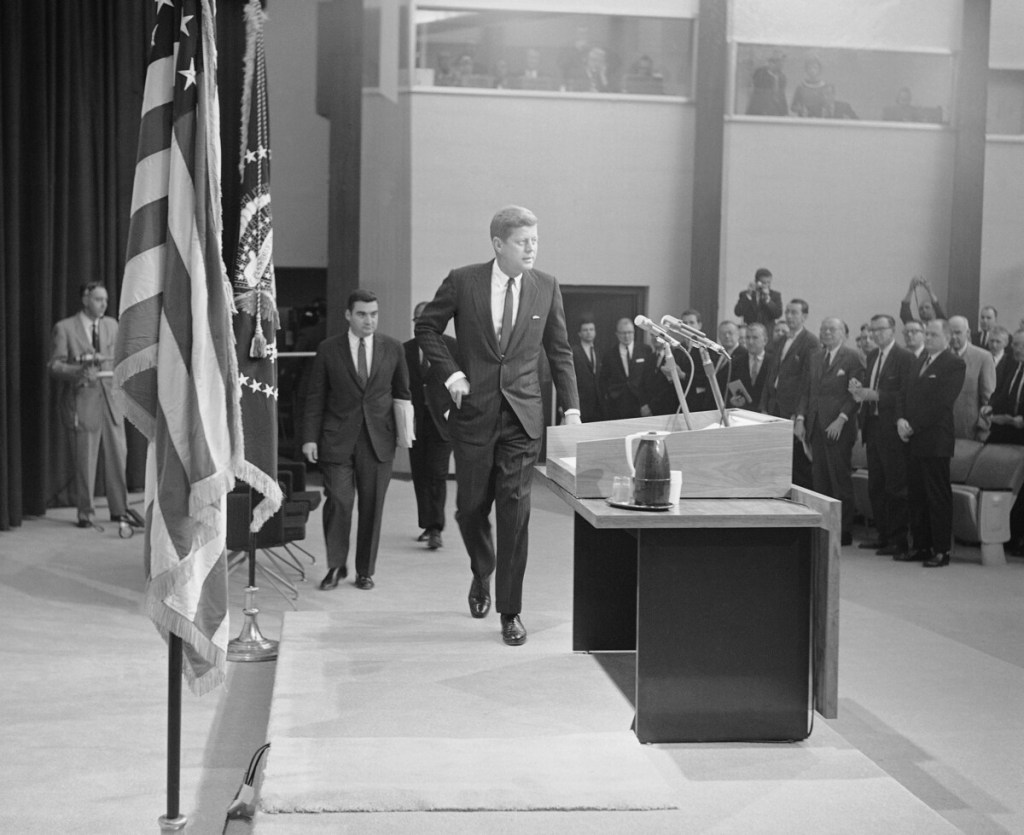
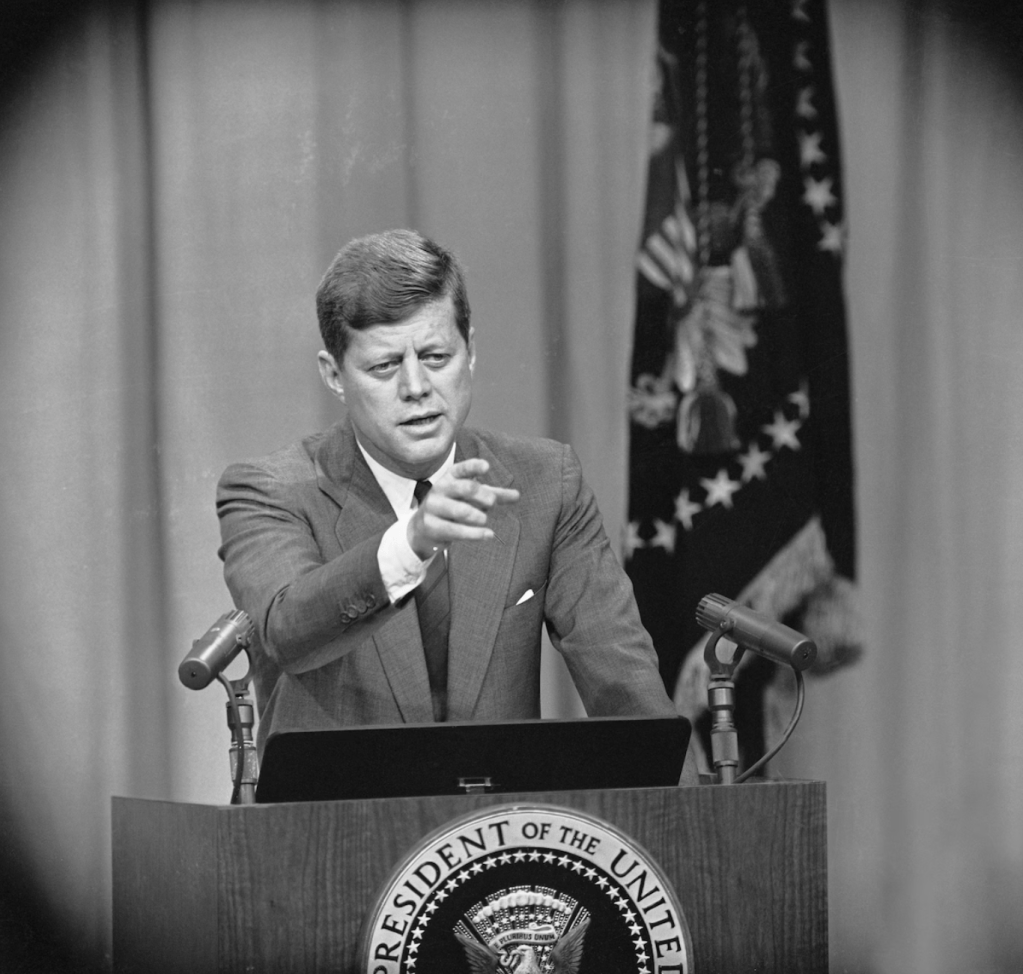
JFK made history with a televised news conference. Now Biden faces reporters, too.
(WP 3/25/2021)
It’s no wonder that President Biden has waited 64 days to subject himself to his first news conference. Land mines await. By holding off longer than any other president in 100 years to engage in this time-honored ritual, Biden has invited hard scrutiny over his ability to flourish in an unscripted press interrogation. Critics will be lying in wait to attack him for any stumble. Fact-checkers will be nipping at his heels to correct any mistakes. And it will all take place in the blaze of live television.
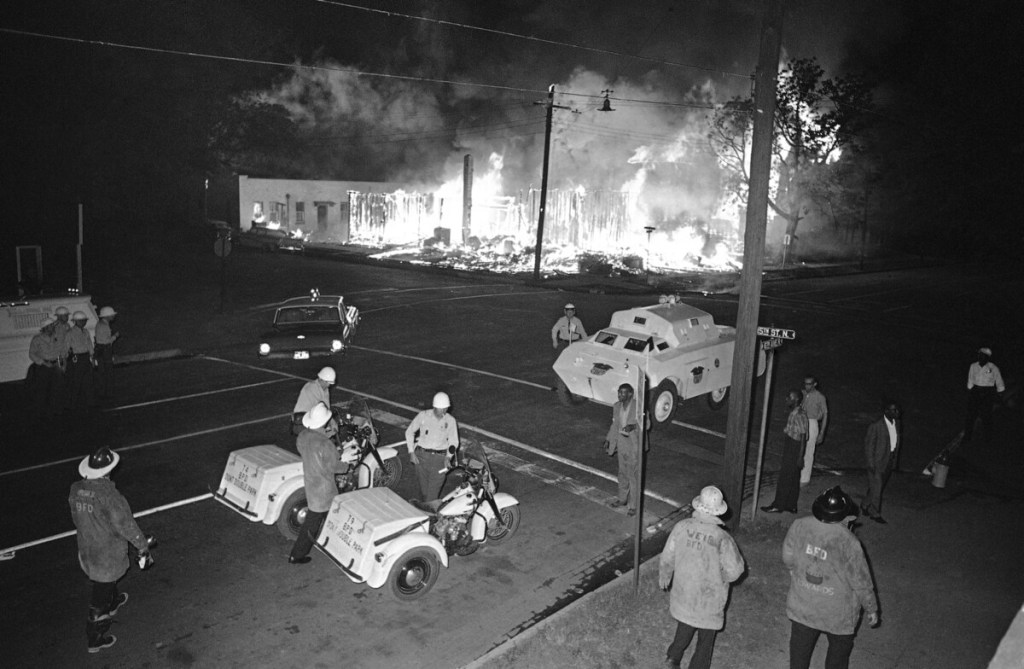
Like Trump, JFK faced riots. Here’s what he did to stop the violence in Birmingham in 1963.
(WP 5/30/2020)
The violence erupted in Birmingham, Ala., on May 11, 1963, just before Mother’s Day. Just a day earlier, the city’s business leaders had reached an agreement with its black residents, led by the Rev. Martin Luther King Jr. and the Rev. Fred Shuttlesworth, on wide-ranging desegregation and the hiring of African Americans for jobs long denied them.
At a news conference, Shuttlesworth, a longtime Alabama activist, praised Birmingham as “an example of progressive racial relations” and was pleased to see “for all mankind a dawn of a new day, a promise for all men, a day of opportunity, and a new sense of freedom for all America.” The agreement, which came after weeks of African American demonstrations in the city, enraged the Ku Klux Klan and its police protectors, overseen by Birmingham’s racist public safety commissioner, Eugene “Bull” Connor.
Like Vladimir and Estragon, we wait for our Godot. And wait.
(WP 4/3/2020)
Samuel Beckett’s masterpiece is a parable for our days in coronavirus limbo.
We have no choice but to wait it out. From our houses, our apartments, our trailers, our cars, our cabins, our country escapes. It’s unreal but real, absurd but actual. We don’t know how long we have to wait, we don’t know exactly what we’re waiting for, we aren’t sure what the end will look like when it comes, but we’re confident we’ll know when the waiting is over.
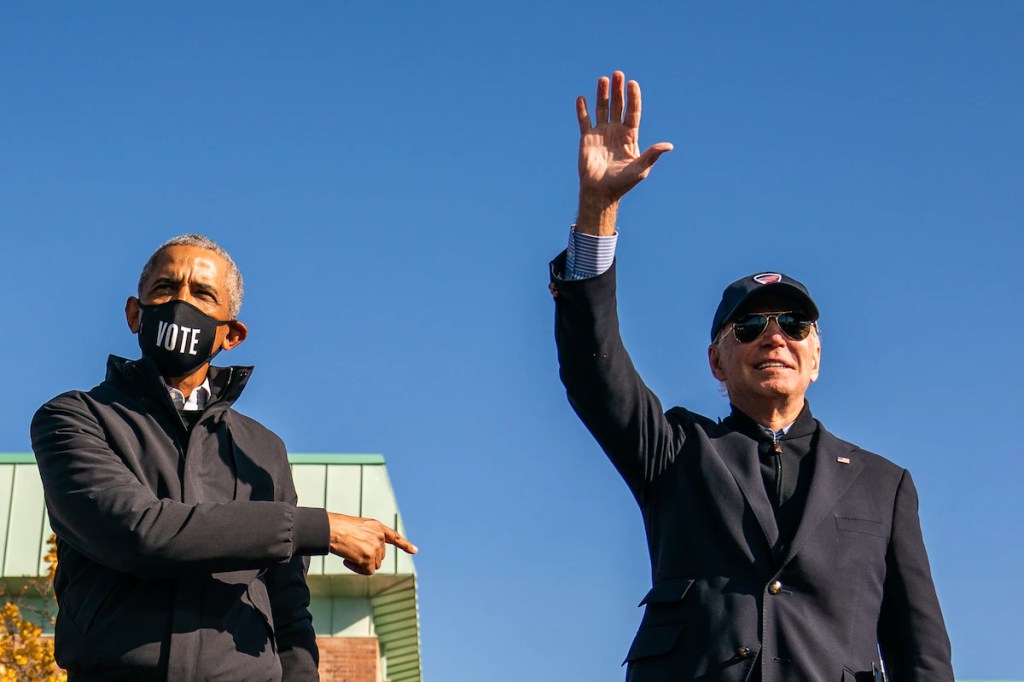
The Poignant But Complicated Friendship of Joe Biden and Barack Obama
(WP Magazine 7/30/2019)
Biden is running for president partly based on their relationship. What was it really like?
The tweet was full of longing. On National Best Friends Day in June, Joe Biden posted a Barack and Joe friendship bracelet on his 2020 campaign Twitter account, with the greeting: “Happy #BestFriendsDay to my friend, @BarackObama.” But Obama? He was silent. No reply. Nothing.
Something was off-kilter in this relationship. Where was the mutual affection, the joyous camaraderie? Anyone who watched these men through two terms in the White House knows their admiration for each other was effusive. We all saw the images: the president and the vice president crying, laughing, hugging, whispering, backslapping, eating ice cream together and strolling contemplatively on the White House grounds.
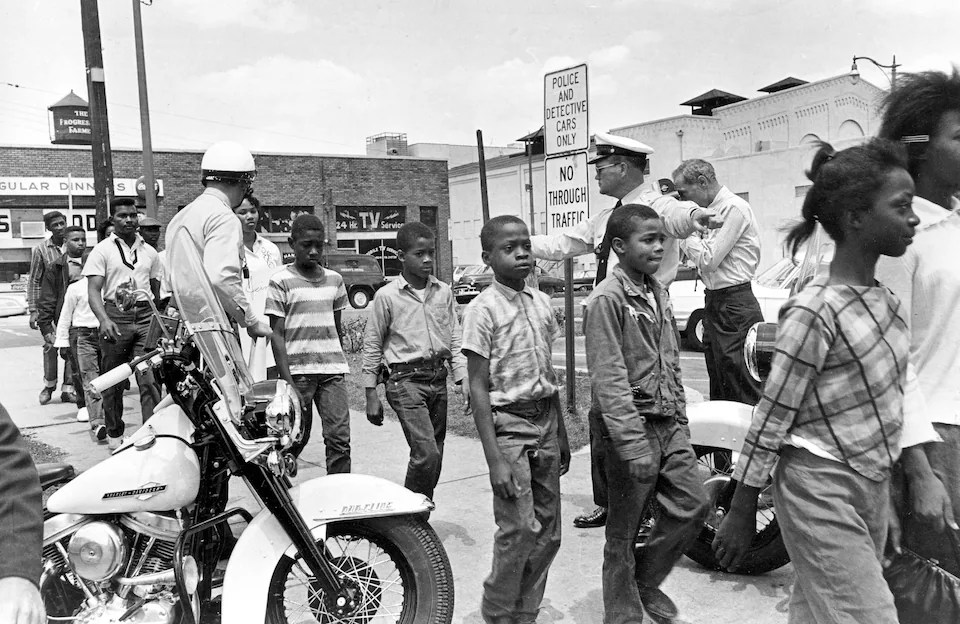
Children have changed America before, braving fire hoses and police dogs for civil rights
(WP 3/23/2018)
The school gates were locked. But that didn’t keep hundreds of students from crawling up and over the fences, defying their parents, teachers and school principals to march against segregation.
It was May 1963 in Alabama, and Birmingham’s brutal public safety commissioner, Eugene “Bull” Connor, was waiting. His police moved in, herding the children into squad cars, paddy wagons and school buses for the trip to jail.
Before Trump vs. the NFL, there was Jackie Robinson vs. JFK
(WP 9/24/2017)
President Trump ignited a firestorm this weekend by demanding NFL owners fire players who kneel during the national anthem, setting off a wave of protests by players, coaches and even owners that riveted the country Sunday. But long before Colin Kaepernick and other NFL players drew Trump’s ire, professional athletes protested racial oppression in the United States.
One African American sports icon even badgered a president publicly. Jackie Robinson, the hero who integrated Major League Baseball in 1947, spoke out loudly for civil rights and challenged President John F. Kennedy to stop dithering on black equality.
Hillary’s consolation prize: a No. 1 bestselling book
(WP 9/15/2017)
Hillary Clinton wanted more than anything to be the leader of the free world. Now all she’s got is a crummy consolation prize: a No. 1 best-selling book. For days before its Tuesday release, her memoir of the 2016 presidential campaign, “What Happened,” was first in the rankings among all books on Amazon (whose founder, Jeff Bezos, owns The Washington Post). And it looks headed to rule over other bestseller lists, too. But if Clinton had her druthers, she most certainly would not be sitting at the top of any bestseller list right now: She’d be seated in the Oval Office behind the ornate Resolute desk.
Clinton’s miserable fate — bestsellerdom instead of the presidency — raises a curious question for the rest of the toiling, underappreciated and always envious literary community. I put this question — perhaps a preposterous one, but hey, we live in preposterous times — to a sampling of writers via email: Would you rather be president of the United States or a No. 1 best-selling author?
Like Trump, JFK was tested by white supremacists. Here’s what he finally did about it.
(WP 8/22/2017)
Since white supremacists swarmed into Charlottesville this month, leaving three dead in their wake, President Trump has repeatedly resisted calls to assume the moral leadership Americans expect from the White House. And he has been condemned for it by politicians across the spectrum, religious leaders of all denominations and corporate executives across the country.
More than 50 years ago, white supremacists tested the moral mettle of another president. No sooner had John F. Kennedy entered office than he confronted what Martin Luther King Jr. called “America’s chief moral dilemma”: the raging bigotry, hatred and segregation of the South.
Masters of their medium: JFK on TV, Trump on Twitter
(WP Magazine 5/18/2017)
Nearly a year before the 1960 presidential election, Sen. John F. Kennedy displayed a startling sense of prophesy about the influence of television in politics.
Writing in the Nov. 14, 1959, issue of TV Guide more than a month before he announced his candidacy, Kennedy seemed to foresee a crucial moment in the battle for the White House. As though visualizing Richard Nixon’s doomed visage — dark and sweaty — and his own youthful charm on national television during the presidential debates, the senator declared: “Many new political reputations have been made on TV — and many old ones have been broken.”
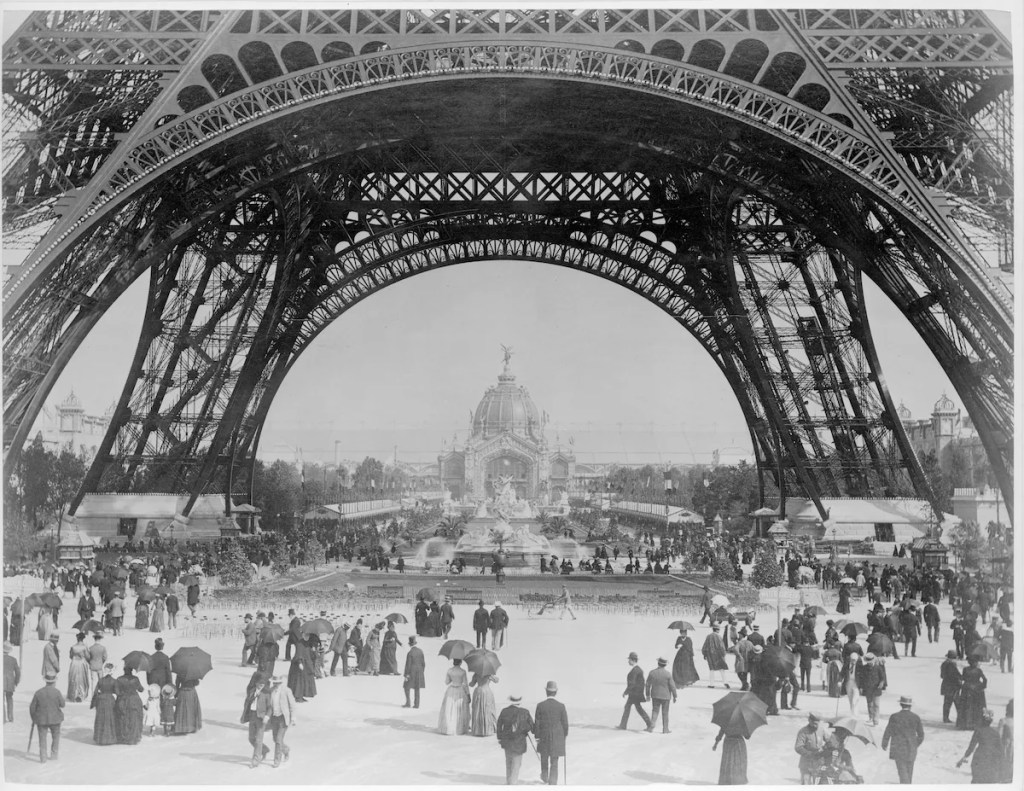
On the Eiffel Tower’s birthday, a look back at the hopeful, uneasy Paris of 125 years ago
(WP 4/11/2014)
Pop the bubbly. It’s time to toast the 125th birthday of the Eiffel Tower, that iron, lattice-work marvel that scholar Roger Shattuck called “the first monument of modernism.” Shooting about 1,000 feet into the sky from the Champ de Mars, the tower stands as a totem of modern Paris, its beauty, romance and joie de vivre.
The era that gave birth to the tower, the Belle Époque, roughly from 1871 to the start of World War I in 1914, is typically portrayed as a period of champagne bubbles, men in top hats and monocles, and carefree strolls along the boulevards. But along with the gaiety came darkness: Doubt, fear and violence also stalked Parisians. The Belle Époque was largely a creation of nostalgia: Those who survived the war looked longingly over their shoulders and remembered a golden era before the carnage. As historian Barbara Tuchman observed, “It was not a time exclusively of confidence, innocence, comfort, stability, security and peace.”
Edward Klein defends his Obama biography, ‘The Amateur’
(WP 6/19/2012)
NEW YORK — Edward Klein was in his 11th year as editor of the New York Times Magazine when on two consecutive weeks in July 1987 the prestigious Sunday supplement was cited in editors’ notes for lapses in editorial judgment. During Klein’s tenure the magazine had some notable successes, such as winning a Pulitzer Prize, but it also suffered other high-profile missteps, including publication of a fabricated tale about Khmer Rouge guerrillas in Cambodia.
By October 1987, Klein had departed from the newspaper, and thus began his journey from influential editor to conservative author of bestsellers about powerful figures: the Kennedys, Katie Couric, Hillary Rodham Clinton and, most recently, President Obama. The evolution of his career has raised eyebrows among liberals and conservatives, and the highly personal portraits he crafts have prompted questions about sourcing, accuracy and intent.
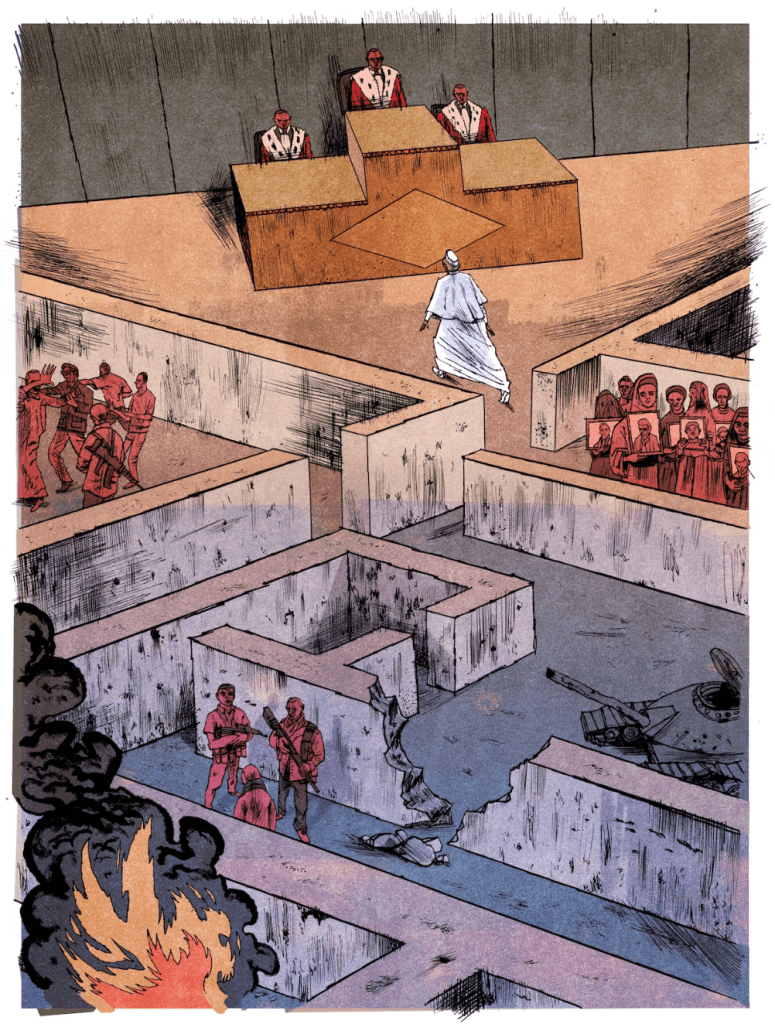
Why is it so hard to bring brutal despots to justice?
(WP 12/16/2022)
In ‘To Catch a Dictator,’ Reed Brody tells the long, tangled tale of reeling in Chad’s Hissene Habre.
When Hissene Habre, the former dictator of Chad, was arrested early one Sunday morning in June 2013 at his luxurious compound-in-exile in Dakar, Senegal, celebrations erupted across the country he had terrorized some 2,000 miles away. As president of Chad from 1982 to 1990, Habre slaughtered, starved and raped his people and pilfered millions of dollars. In 1992, a national truth commission estimated that he and his political police were responsible for systematic torture and the deaths of 40,000 Chadians.
Now in custody, the despot would finally have to answer for his crimes.
What does Obama really think about Biden? His memoir doesn’t say.
(WP 11/18/2020)
Former president Barack Obama sprinkles his new memoir with some kind words for his onetime wingman Joe Biden. “Joe had heart,” he writes in “A Promised Land.” “He had endured unimaginable tragedy. . . . Joe was decent, honest, and loyal. I believed he cared about ordinary people.” But haven’t we heard all this before? In one form or another, Obama has uttered these plaudits again and again.
Looking for a lover? Put down that comb, because it doesn’t matter how hot you are. “Actually,” Hannah Fry explains in “The Mathematics of Love,” “having some people think you are ugly can work in your favor.” For online dating, you can even stop fretting over your profile photo. Doing what most people do — hiding what makes you look unattractive — is exactly what you shouldn’t do. “When choosing a profile picture, you should play up to whatever makes you different — including the things that some people might not like,” Fry counsels. “So be proud of that bald patch, show off that ill-advised tattoo, and get that belly out.”
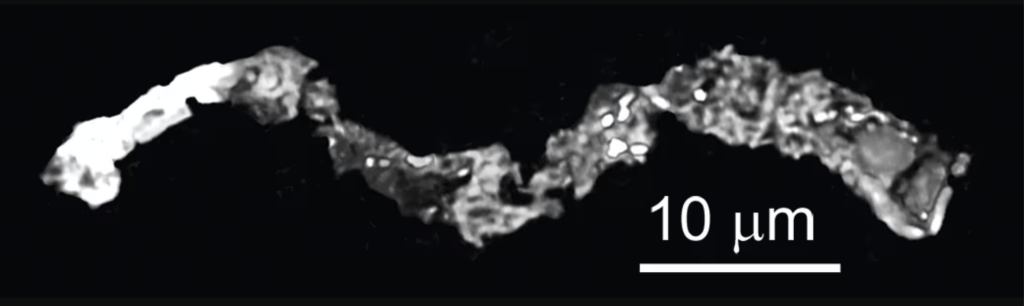
Fossils unlock the evolution of life on Earth, revealing our path from mere microscopic filaments to upright humans. Here’s a quick journey through the ages as told in 10 fossils, adapted from “A History of Life in 100 Fossils” by Paul D. Taylor and Aaron O’Dea (Smithsonian Books, $34.95).
1. Apex Chert
These – the world’s oldest fossils – are estimated to be about 3.465 billion years old. But are they truly fossils? Found in Western Australia in a glassy rock called the Apex Chert, they are made up of microscopic filaments that some scientists believe are nothing more than non-biological, inorganic structures. But others argue the fossils are bits of bacteria, which is consistent with chemical evidence, suggesting that life on Earth did in fact exist 3.5 billion years ago.
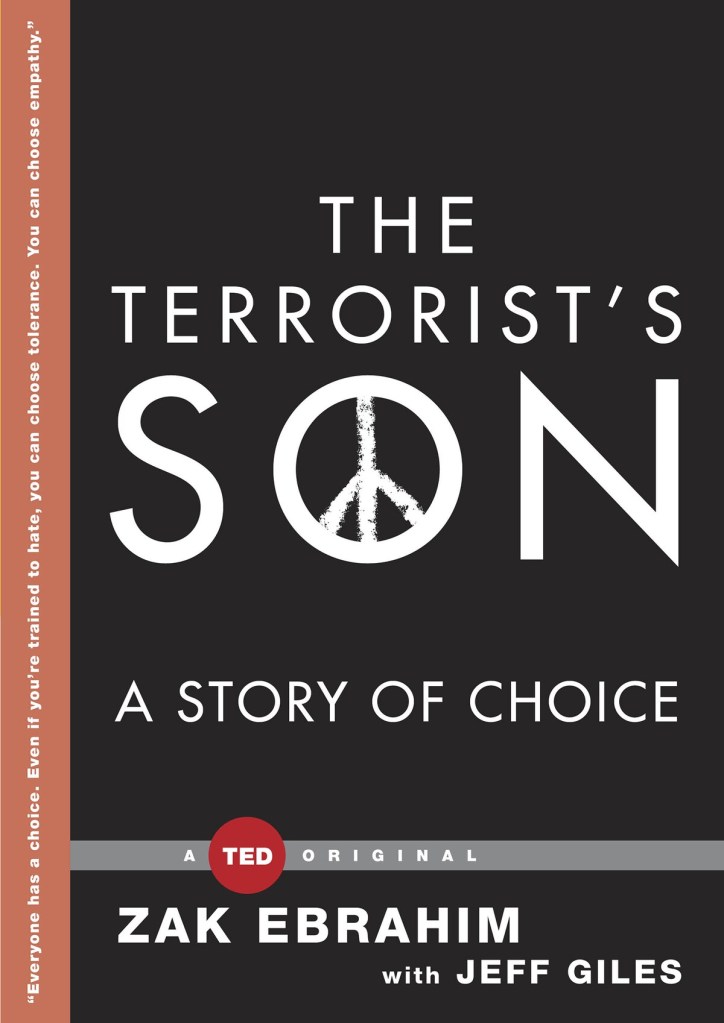
‘The Terrorist’s Son: A Story of Choice,’ by Zak Ebrahim with Jeff Giles
(WP 9/11/2014)
Zak Ebrahim has grappled with two opposing dreams throughout his life. One dream — the fancy of a young boy — was that his absent father, loving, gentle Baba, who pushed him on the swings, would one day come back to him. The other — the hard wish of a maturing young man — was that he could purge himself of all traces of his father and his “murderous hatred.”
In 1990, when Ebrahim was 7 years old, his father, Egyptian-born El-Sayyid Nosair, shot and killed Meir Kahane, the extremist rabbi who founded the Jewish Defense League, and then three years later while in prison helped mastermind the bombing of the World Trade Center. Ebrahim has spent his life reckoning with his terrorist father and “struggling with the devastating feeling that I was somehow complicit by blood,” he writes in his compact, important book, “The Terrorist’s Son.” By telling his story, he hopes “to offer a portrait of a young man who was raised in the fires of fanaticism and embraced nonviolence instead.”
‘Words From the White House: Words and Phrases Coined or Popularized by America’s Presidents’ by Paul Dickson
(WP 2/8/2013)
President Obama is now hard at work carving out his legacy — his heart set on being remembered for decisive action on health care, gun control, immigration and equal rights. But there’s one arena where No. 44 has to pick up his game. So far, according to lexicographer Paul Dickson, Obama’s impact on our language has largely amounted to passing on to the American people the phrase “wee-weed up.” Speaking at a national health-care forum in the summer of 2009, Obama dropped the rather coarse neologism to describe the riled-up mood in Washington: “There’s something about August going into September where everybody in Washington gets all wee-weed up. I don’t know what it is. But that’s what happens.”
Glenn Beck’s paranoid thriller, “The Overton Window”
(WP 6/15/2010)
The success of Glenn Beck’s novel, “The Overton Window,” will be measured not by its literary value (none), or its contribution to the thriller genre (small), or the money it rakes in (considerable), but rather by the rebelliousness it incites among anti-government extremists. If the book is found tucked into the ammo boxes of self-proclaimed patriots and recited at “tea party” assemblies, then Beck will have achieved his goal.
A selection of Steven Levingston’s pieces on drama.
Ayad Akhtar: On Muslim identity, and life in America
(WP 7/19/2014)
To appreciate the relevance of playwright Ayad Akhtar’s work, you need look no further than two eerie coincidences that shadowed his debut drama, “Disgraced.” The play, which portrays the downfall of a Muslim American lawyer, won the Pulitzer Prize for drama in 2013. The day the award was announced, two Muslims deposited pressure-cooker bombs near the finish line of the Boston marathon. A second grisly coincidence came a few weeks later. On the day “Disgraced” opened in London two Muslims murdered and tried to behead a British soldier on a busy street in what one said was revenge for the British army’s killing of Muslims in Iraq and Afghanistan. Nobody linked these attacks to Akhtar’s play, but they were nonetheless chilling reminders of the violence that hovers at the edges of the territory he explores. “The work I’m doing is in direct dialogue with what’s happening in the Muslim world,” he said recently over dinner in New York.
Q&A with Ayad Akhtar, the Pulitzer Prize winner in drama
(WP 4/19/2013)
Ayad Akhtar, who received the Pulitzer Prize in drama last week, is a man of many talents and daring insights. As an actor, screenwriter, novelist and playwright, he challenges Americans to question their assumptions about race and religion.
Born in New York City to Pakistani immigrants and raised in Milwaukee, Akhtar played an enigmatic Pakistani engineering student who turns from secularism to terrorism in the film “The War Within,” which he also co-wrote.
My drama: Getting a new play staged is all comedy and tragedy
(WP Magazine 4/5/2013)
About three years ago I did something that only a puffed-up fool would do: I wrote a play. For three weeks I was maniacal about it, and when I dropped the final curtain I nodded my head knowingly — this baby was a winner: All I had to do was get the script into the right hands, and before I could belt out, “There’s no business like show business,” audiences would be filling the seats, laughing and applauding riotously in the dark.
Thus began my tale of what Eugene O’Neill might call a lunatic’s pipe dream, a story of innocence, hope and crushing neglect. But it’s not my story alone. You need only read a day’s worth of the yearnings on LinkedIn’s playwriting group, scan the entry rules for hundreds of play competitions, or study the stiff-armed guidelines for submissions to regional theaters to realize that other pipe-dreaming playwrights-to-be are having their own egos stomped. Yet, we keep coming back for more, knowing full well that the odds of getting a play produced are about the same as getting killed by a falling coconut (that’s one in 250 million) — or at least it feels that way.
‘My Fair Lady’ replacement shines at Arena Stage in an unforgettable evening
(WP 1/6/2013)
It was looking awfully bleak for the Saturday evening performance of “My Fair Lady” when Artistic Director Molly Smith walked onstage surrounded by her cast to deliver some grim news.
She informed the nearly full house that flu had laid low several cast members, including Manna Nichols, who played the lead role of Eliza Doolittle.
To have an understudy step in is usually a disappointment for an audience that arrives expecting to see the stars. In this case, even Nichols’s replacement, Erin Driscoll, was absent: She had lost her voice.
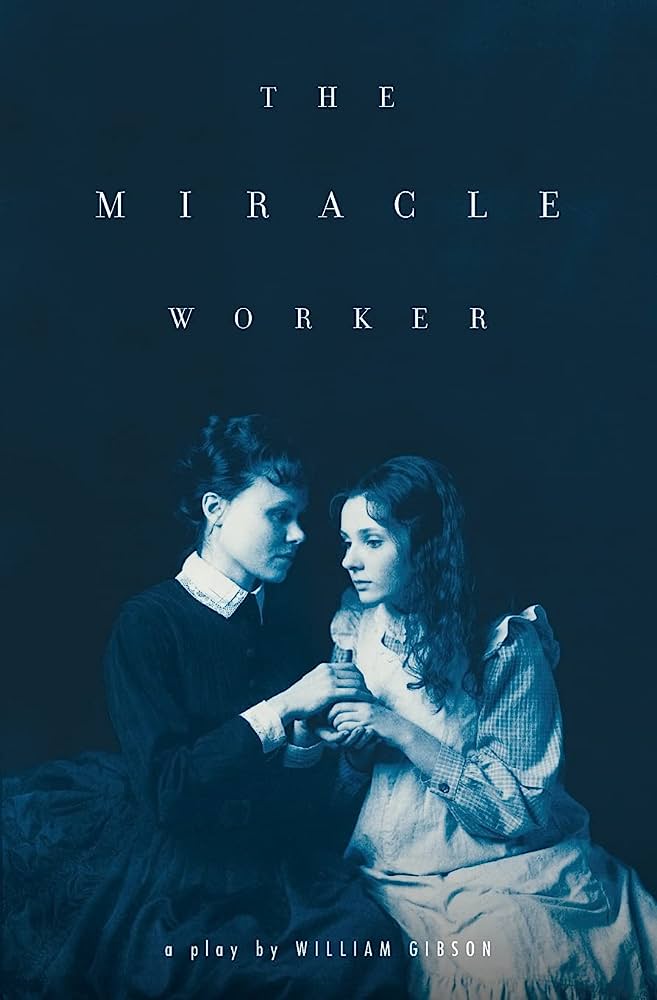
Rummaging in the basement a few weeks ago, I came upon a copy of William Gibson’s play “The Miracle Worker” in a 40-cent, Bantam paperback edition from 1962, its pages the color of a Daguerreotype. I started reading and couldn’t stop. This 1960 Tony Award-winner is the story of Annie Sullivan, who overcomes daunting odds to teach the deaf, blind, mute Helen Keller to communicate. As a play-reading experience, it is near-perfect. The dialogue gives vivid shape to stubborn Annie and each member of Helen’s tortured family. You won’t find any thriller more gripping, more packed with a daisy chain of dramatic crises.
But read a play? What a nutty idea! Plays aren’t meant to be read, they’re to be seen and heard. Pulitzer Prize-winning playwright Donald Margulies understands this: He writes not for the page but for the stage. His plays, he told me, are blueprints for actors and directors, incomplete until they’re performed. Tennessee Williams knew this, too. He tested out his new plays by reading them aloud to friends. Thornton Wilder perhaps put it best. He said that while fiction, painting and sculpture can be appreciated in solitude, “a play presupposes a crowd.”
Levingston (Little Demon in the City of Light), nonfiction book editor at the Washington Post, comprehensively evaluates the antagonistic interplay of Martin Luther King Jr. and President John F. Kennedy during the civil rights movement.